OpenClaw’s extended-stable release post is a small but important maturity signal for agent runtimes.
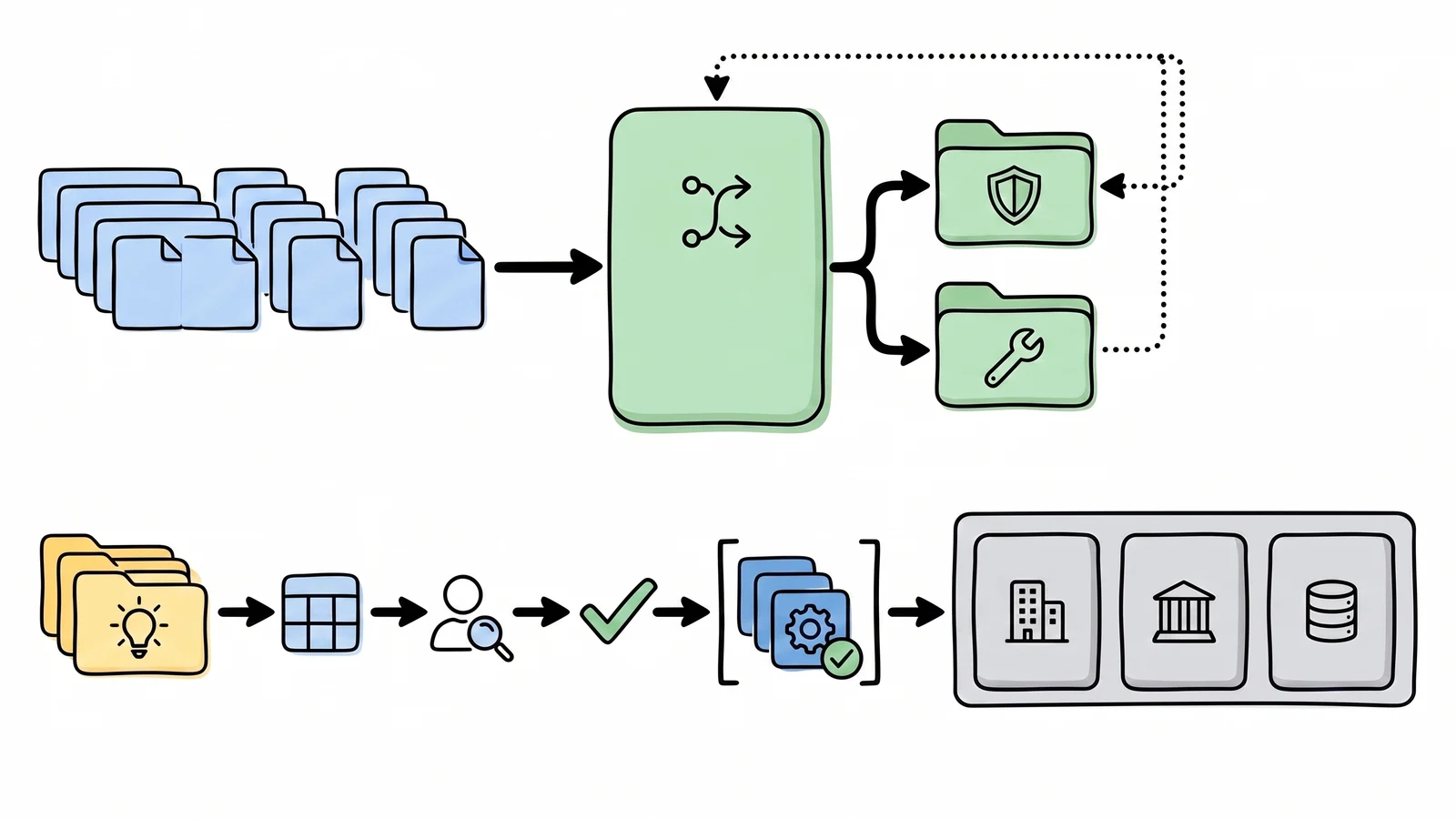
The project is adding monthly extended-stable releases with backported security and reliability fixes. The first line, OpenClaw 2026.6.33, is based on 2026.6.11. Each monthly line starts at YYYY.M.33; later backports increment the patch version. A release is supported until the next extended-stable release is cut, with a minimum support window of one month.
The install path is explicit:
npm install -g openclaw@extended-stable
openclaw update --channel extended-stable
The first command installs the selected extended-stable release. The second persists extended-stable as the update channel for a new or existing package installation.
OpenClaw is also publishing a maturity scorecard. It inventories features by product surface and category, then estimates maturity from quality and completeness using outstanding GitHub issues, comparisons with similar services, and human judgment. The post says issues against mature features get a dedicated label and maintainer priority. Mature features are also expected to have real end-to-end tests in production, with a goal of more than 90% E2E test coverage for stable features.
New Runtime Read
This is what happens when an agent tool starts becoming infrastructure. The interesting surface is not a new command; it is the support contract around the command.
For our own OpenClaw usage, this maps directly onto the owner-gated publication workflow. Critical paths need channels, receipts, idempotency, preview evidence, and a maturity label. Otherwise every agent feature looks equally ready until it breaks in production.