#Gemini #Robotics #PhysicalAI #EmbodiedAgents
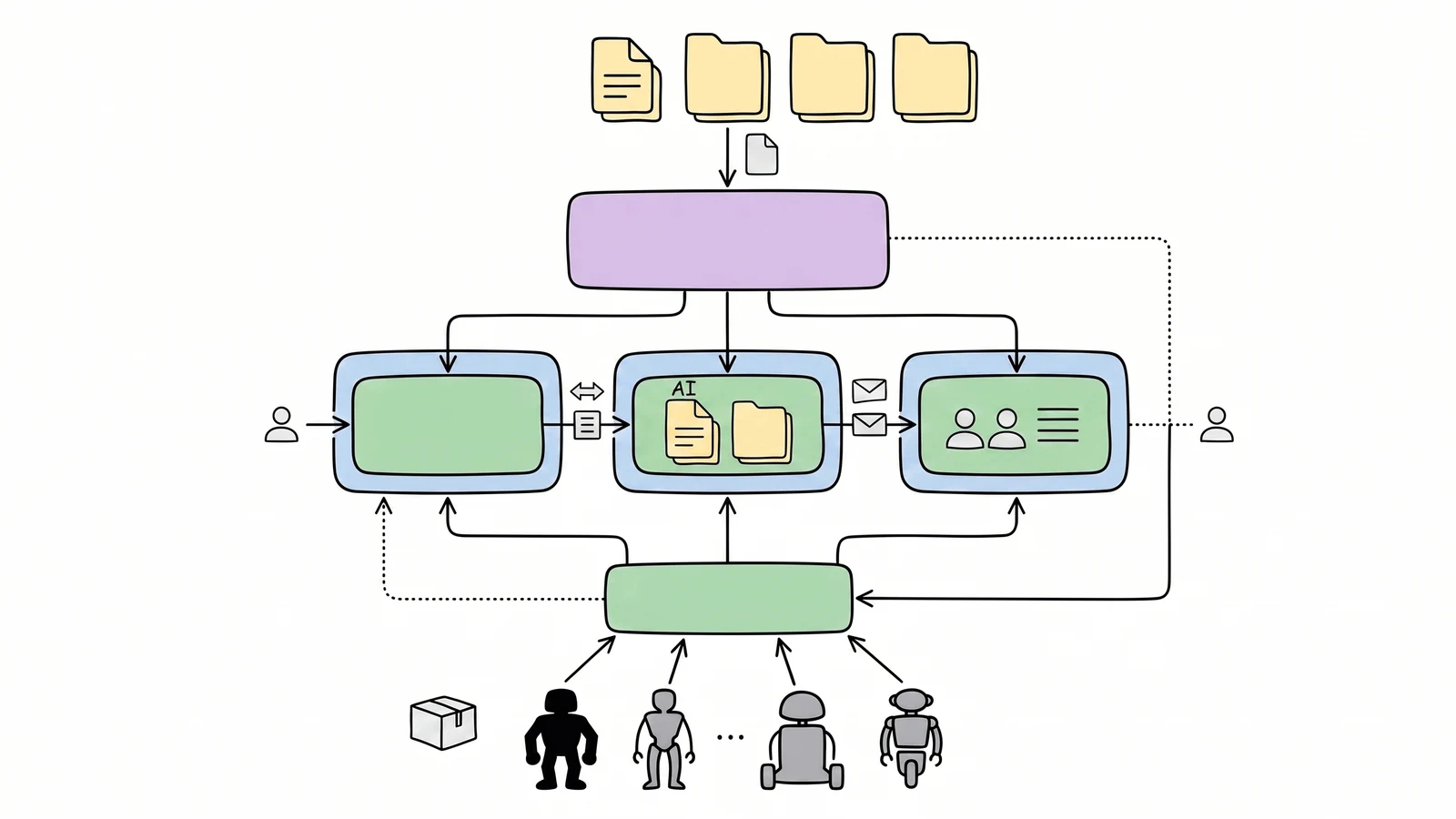
Gemini Robotics 2 is interesting not as another humanoid demo video, but as an attempt to assemble a physical agent in layers. DeepMind describes three models: a VLA model that translates vision and language into motor control, an ER model as the “brain” for planning and interaction, and an on-device VLA model for local operation and fast adaptation to new bodies.
That moves the conversation from “the robot can do one trick” to “one checkpoint transfers across bodies, arms, grippers, and teamwork.” The important pieces in the article are whole-body control, multi-finger dexterity, multi-robot collaboration, and adaptation to new embodiments after only a few hours of data.
The practical point for developers is not that everyone will buy humanoids tomorrow. The stack shape matters more: high-level reasoning should not pull the motors directly; it should coordinate action models, safety gates, and feedback from the environment.
For New Runtime, this is the same pattern in the physical world: an agent graph becomes real when nodes have different speed, risk, and cost of error. In software those nodes are sources, drafts, and approvals; in robotics they are sensors, arms, legs, and the nearby human.